What Happens During a Roof Replacement? A Step-by-Step Guide
Replacing a roof is a significant project, but understanding the process can make it much easier to prepare for the work.
A typical roof replacement involves more than simply removing old tiles and putting new ones in their place. The process can include an initial inspection, choosing suitable materials, preparing the property, removing the existing roof, checking the underlying structure, installing the new roofing system and completing final inspections.
The exact process depends on the property’s roof design, materials, condition and the work required.
For homeowners in Chester and Cheshire, knowing what to expect can also make it easier to understand a roofing quotation and ask the right questions before work begins.
What Are the Main Stages of a Roof Replacement?
A roof replacement will normally involve several stages:
- Initial roof inspection
- Discussing the required work
- Preparing a quotation
- Choosing materials
- Planning access and scaffolding
- Preparing the property
- Removing the existing roofing materials
- Inspecting the roof structure
- Carrying out necessary preparation or repairs
- Installing the new roofing system
- Completing roofline, flashing and associated work
- Final inspection and site clean-up
The exact sequence can vary depending on the property and roofing system.
1. Initial Roof Inspection
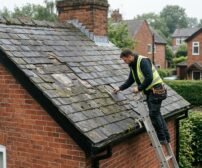
The process starts with understanding the condition of the existing roof.
A roof inspection can help identify issues such as:
- Missing or damaged tiles
- Slipped slates
- Roof leaks
- Damaged flashing
- Ridge tile problems
- Chimney-related issues
- Deteriorated roofing components
- Signs of water ingress
- Potential structural problems
The inspection also helps determine whether complete replacement is appropriate or whether repairs could address the problem.
Advance Roofing NW states that its process begins with a free inspection and quote, where the roof is checked and the customer’s requirements are discussed before providing a quotation.
2. Discussing the Roofing Requirements
Once the roof has been assessed, the next step is understanding what the property requires.
This can include discussing:
- The existing roof
- Proposed roofing materials
- Roof design
- Known problems
- Areas requiring additional work
- Roofline components
- Chimneys and flashing
- Skylights
- Access requirements
- Project expectations
This stage is important because there may be several possible roofing solutions depending on the condition and design of the property.
3. Receiving a Roof Replacement Quotation
The information gathered during the assessment is used to prepare a quotation.
A useful quotation should make clear:
- What work will be carried out
- Which materials will be used
- Labour requirements
- Access and scaffolding
- Removal of existing materials
- Waste disposal
- Additional repairs
- Associated roofline work
- Any applicable guarantees
Advance Roofing NW says its quotations provide a transparent breakdown of roofing costs and that pricing can vary according to the material, roof size and project complexity.
Before accepting a quotation, homeowners should make sure they understand exactly what is included.
4. Choosing the Roofing Material
The appropriate roofing material depends on the property and the proposed roofing system.
Possible materials and systems include:
- Slate
- Roof tiles
- Felt
- EPDM
- GRP/fibreglass
- Metal roofing systems
Different materials have different installation requirements and characteristics.
For example, Advance Roofing NW’s flat roofing information covers EPDM, GRP, felt and metal systems, while its wider roofing services include slate and tile roofing.
The choice should therefore be based on the property’s requirements rather than simply selecting the cheapest available material.
5. Preparing the Property
Before the roof work begins, the property and working area need to be prepared.
Depending on the project, preparation can include:
- Arranging safe roof access
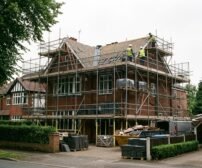
- Installing scaffolding
- Protecting areas around the property
- Planning material delivery
- Establishing a safe working area
- Preparing for removal of old roofing materials
Scaffolding requirements can vary according to the height, design and accessibility of the property.
Advance Roofing NW states that it uses insured scaffolders for its new roof work and removes waste from the property after the work.
6. Removing the Existing Roof
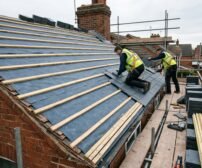
The next stage may involve removing the existing roofing materials.
Depending on the roof, this can include removing:
- Tiles
- Slates
- Underlay
- Battens
- Old roofing membranes
- Damaged components
- Other deteriorated materials
The removal process allows the roofing team to access the underlying structure and assess its condition.
The amount of material removed will depend on the size and construction of the roof.
7. Inspecting the Roof Structure
Once the existing roofing materials have been removed, the underlying roof can be assessed more closely.
This stage can reveal problems that were not obvious from the outside.
Potential issues can include:
- Damaged timber
- Water damage
- Deteriorated battens
- Problems with the roof deck
- Defective flashing
- Structural deterioration
If additional work is required, it should be discussed before proceeding with that part of the project.
This is one reason homeowners should avoid comparing roof replacement quotations based only on the headline price.
8. Preparing the Roof for the New System
Before the new roof covering is installed, the underlying structure needs to be prepared appropriately.
Depending on the roofing system, this can involve:
- Repairing damaged areas
- Replacing unsuitable components
- Installing appropriate underlay
- Installing battens where required
- Preparing roof edges
- Preparing valleys
- Preparing areas around chimneys
- Preparing skylight openings
- Preparing flashing details
The exact preparation depends on the roof design and selected material.
9. Installing the New Roofing System
The new roofing system can then be installed.
The installation process varies according to the chosen material.
For a tiled or slate roof, this can involve fitting the new covering across the prepared roof structure.
For a flat roof, the installation method depends on the selected system. Advance Roofing NW describes EPDM as a single-ply membrane system and GRP as a system using resin and fibreglass layers to create a waterproof surface.
The installation should follow the requirements of the chosen roofing system and the property’s design.
10. Completing Flashing and Roof Junctions
Areas where different parts of the roof meet require particular attention.
These can include:
Flashing helps protect vulnerable junctions from water ingress.
If existing leadwork or flashing is damaged, it may need to be repaired or replaced as part of the wider roofing project.
Advance Roofing NW lists lead repairs and chimney-related work among its roofing services.
11. Completing Ridge and Roof Edge Work
The final roofing components are also important.
Depending on the property, work may include:
- Ridge tiles
- Dry ridge systems
- Verge details
- Eaves protection
- Fascias
- Soffits
- Guttering
These components form part of the wider roofing system and help protect the edges of the roof and manage rainwater.
Advance Roofing NW’s roofline information includes fascias, soffits, guttering, bargeboards, dry ridge, dry verge and eaves protection.
12. Checking Skylights and Roof Windows
If the property has skylights or roof windows, their condition and connection to the new roof should also be considered.
Areas that may require attention include:
- Flashing
- Seals
- Surrounding roofing materials
- Waterproofing
- Integration with the replacement roof
A roof replacement can provide an opportunity to address problems around existing roof windows before they develop into future leaks.
13. Final Inspection
Once the main roofing work has been completed, the roof should be checked.
The final inspection can help identify:
- Loose materials
- Incomplete sections
- Problems around roof junctions
- Flashing issues
- Ridge or verge problems
- Visible installation defects
- Areas requiring finishing work
Advance Roofing NW describes its own working process as including a final check, site clean-up and provision of a guarantee.
14. Cleaning and Removing Roofing Waste
Roof replacement can create a considerable amount of waste, particularly when an existing roof has been removed.
The final stage should therefore include clearing the working area and removing appropriate roofing waste.
A clean-up also gives the homeowner an opportunity to inspect the finished work and discuss any questions with the roofing team.
Advance Roofing NW states that its new roof work includes clearing away waste from the property.
How Long Does a Roof Replacement Take?
There is no single timeframe for every roof replacement.
The duration can depend on:
- Roof size
- Roof design
- Roofing material
- Number of roof sections
- Property access
- Scaffolding requirements
- Weather conditions
- Condition of the existing roof
- Additional structural repairs
- Chimney or flashing work
- Roofline requirements
A relatively straightforward roof may have a different schedule from a large or complex property.
For this reason, it is better to ask for an estimated project schedule based on the individual roof rather than relying on a generic timeframe.
Can You Stay in Your House During a Roof Replacement?
In many situations, homeowners may be able to remain in the property while roofing work is taking place.
However, the experience can involve:
- Noise
- Movement around the property
- Scaffolding
- Temporary restrictions around entrances
- Roofing materials being delivered
- Dust and debris
- Work taking place overhead
The practical arrangements depend on the property and the scale of the project.
If you work from home, have young children or have specific access requirements, discuss these issues with the roofing contractor before work begins.
What Happens If Additional Damage Is Found?
Sometimes the condition of the roof beneath the existing covering is different from what was visible during the initial inspection.
For example, removing old materials may reveal:
- Rotten timber
- Water damage
- Deteriorated battens
- Hidden leaks
- Damaged structural components
If additional work is required, the contractor should explain what has been found, why it needs attention and how it affects the project.
Ask for any additional work and associated costs to be clearly explained before proceeding.
What Should You Ask Before a Roof Replacement?
Before work starts, ask the roofing contractor:
- What exactly will be replaced?
- Which materials will be used?
- How will the existing roof be removed?
- Is scaffolding included?
- Is waste removal included?
- What happens if hidden damage is discovered?
- Will chimney and flashing work be included?
- Are fascias, soffits and guttering included?
- How will skylights be handled?
- How long is the estimated project?
- What guarantee applies to the completed work?
- What happens during the final inspection?
Getting clear answers before the project begins can prevent misunderstandings later.
Roof Replacement Preparation Checklist
Before the roofing team arrives, homeowners can prepare by:
Clear the Working Area
Move vehicles and outdoor items away from areas where roofing materials may be delivered or waste may be removed.
Protect Valuable Items
Roof work can create noise and vibration. Secure fragile items inside the property where appropriate.
Plan Access
Discuss entrances, parking and access around the property with the roofing team.
Protect Children and Pets
Keep children and pets away from scaffolding, tools and roofing materials.
Discuss Special Requirements
Tell the contractor about access requirements, working-from-home arrangements or other circumstances that could affect the project.
Confirm the Scope of Work
Make sure you understand what the quotation includes before work begins.
Roof Replacement in Chester and Cheshire
Roof replacement requirements vary between properties, so the process should be tailored to the individual roof.
Older properties, different roof designs, material choices, access conditions and existing damage can all affect the work required.
Advance Roofing NW states that it works with residential and commercial customers across Manchester, Cheshire and surrounding North West areas. Its published roofing process starts with an inspection and quotation before professional work and a final check.
For homeowners in Chester and Cheshire, understanding this process can make it easier to prepare for a major roofing project and evaluate quotations.
Key Takeaway
A roof replacement is a structured process rather than simply removing old tiles and installing new ones.
The main stages are:
- Inspect the existing roof
- Discuss the requirements
- Prepare a detailed quotation
- Choose suitable materials
- Arrange access and scaffolding
- Remove the existing roofing
- Inspect the underlying structure
- Complete necessary preparation
- Install the new roofing system
- Complete flashing, ridge, roofline and other details
- Carry out a final inspection
- Clean the site and remove waste
Understanding these stages can help you ask better questions, compare quotations and prepare your property for the work.
Frequently Asked Questions
What happens first when replacing a roof?
The process normally starts with an inspection to understand the roof’s condition, identify problems and determine what work may be required.
Do you have to remove the old roof before installing a new one?
The existing roof covering may need to be removed so the underlying structure can be inspected and prepared for the new roofing system. The exact approach depends on the roof and proposed system.
What happens after the old roof is removed?
The underlying roof structure can be inspected for problems such as damaged timber, deteriorated battens or water damage. Necessary preparation or repairs can then be completed before the new system is installed.
Does a roof replacement include scaffolding?
Scaffolding and access requirements depend on the property and project. Ask the contractor whether scaffolding is included in the quotation.
What happens if hidden roof damage is discovered?
The contractor should explain what has been discovered, why additional work is required and how it affects the project before carrying out additional work.
Can chimneys be dealt with during a roof replacement?
Potentially. Chimneys, flashing and roof-to-chimney junctions can be assessed as part of a wider roofing project. Advance Roofing NW provides chimney and leadwork services.
Are gutters and fascias part of a roof replacement?
Not necessarily. They are separate roofline components, but their condition can be assessed during major roofing work and additional work may be considered where required.
How long does a roof replacement take?
The timeframe depends on the roof’s size, design, materials, access, weather, condition and any additional work required. A project-specific estimate is more useful than a generic timeframe.