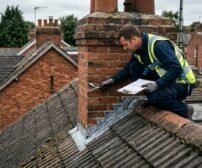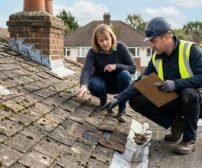
A roof inspection is a detailed check of the roof and its important components to identify damage, deterioration, drainage problems and other issues that may affect the property.
A typical inspection can look at the roof covering, tiles or slates, ridge tiles, flashing, chimneys, roof edges, guttering and other visible components. The exact inspection will depend on the type, age and condition of the roof.
For homeowners in Chester and Cheshire, regular inspections can help identify smaller problems before they develop into more significant roofing work.
What Does a Roof Inspection Check?
A roof inspection generally looks at the visible condition of the roof and its associated components.
Depending on the property, a roofer may check:
- Roof tiles or slates
- Missing, cracked or slipped tiles
- Ridge tiles
- Flashing and leadwork
- Chimney areas
- Roof valleys and junctions
- Fascias and soffits
- Guttering and drainage
- Roof edges
- Signs of water ingress
- Visible deterioration
- Flat roof membranes and drainage where applicable
- Skylights and roof windows
- Other accessible roofing components
The purpose is not simply to look for obvious damage. It is to identify areas that may require maintenance, repair or further assessment.
Advance Roofing NW provides roof surveys as part of its assessment process and lists roof repairs, chimney work, lead repairs, slate and tile replacement and ridge tile repairs among its roofing services.
How Often Should a Roof Be Inspected?
There is no single inspection frequency that suits every property.
The appropriate frequency can depend on factors such as:
- The age of the roof
- Roofing materials
- Previous repair history
- Exposure to wind and severe weather
- Nearby trees
- Condition of gutters and drainage
- Type of property
- Whether previous problems have been identified
- Whether the property is being bought or sold
A roof that has recently experienced severe weather or developed visible problems may need attention sooner than a roof with no known issues.
For preventative maintenance, it is also sensible to carry out visual checks periodically rather than waiting until water enters the property.
What Should You Look for During a Basic Roof Check?
You should not climb onto a roof yourself simply to inspect it.
From ground level, however, you may be able to notice some warning signs.
Look for:
Missing or Slipped Tiles
Tiles or slates that appear to be missing, cracked or out of position can leave parts of the roof vulnerable to weather.
Advance Roofing’s roof repair service specifically includes slate and tile replacement for missing, damaged or slipped roofing materials.
Damaged Ridge Tiles
Ridge tiles sit along the highest point of many pitched roofs.
Look for obvious movement, cracking, missing sections or deterioration around the ridge.
Damaged Flashing
Flashing is used around areas such as chimneys and roof junctions to help prevent water from entering the building.
Visible gaps, cracks, lifting or deterioration can justify further professional assessment.
Guttering Problems
Check whether gutters appear:
- Blocked
- Overflowing
- Sagging
- Damaged
- Detached from the roofline
Gutters are an important part of the roof drainage system because they collect rainwater and direct it away from the property.
Signs of Water Ingress
Inside the property, look for:
- Damp patches
- Water staining
- Peeling paint
- Damp around chimney areas
- Moisture in the loft
- Unusual dripping after rainfall
These signs do not automatically identify the exact source of a roof problem. Water can travel from one part of a roof structure to another before becoming visible inside.
Roof Inspection Checklist
A useful roof inspection checklist includes the following areas:
| Area | What to Look For |
|---|---|
| Tiles/slates | Cracks, missing or slipped sections |
| Ridge | Loose, cracked or deteriorated ridge tiles |
| Flashing | Gaps, lifting, cracks or deterioration |
| Chimney | Visible deterioration, damaged flashing or masonry |
| Gutters | Blockages, leaks, sagging or overflow |
| Fascias | Damage, deterioration or exposed edges |
| Soffits | Damage and ventilation issues |
| Roof edges | Deterioration or exposed areas |
| Skylights | Cracks, damaged seals or signs of water ingress |
| Flat roofs | Ponding, membrane deterioration or drainage problems |
| Loft | Damp, staining or condensation |
| Interior ceilings | Water marks or signs of moisture |
Not every item will apply to every property.
What Happens During a Professional Roof Inspection?
A professional assessment normally begins by looking at the roof’s overall condition and identifying visible areas of concern.
The inspection may consider:
- The general condition of the roof
- Roofing materials
- Visible damage
- Ridge and roof edges
- Flashing and leadwork
- Chimney areas
- Guttering and roofline
- Signs of water ingress
- Flat roof membranes and drainage where relevant
- Areas requiring repair or further investigation
The next step depends on what is found.
A minor issue may only require maintenance or a small repair. A more complicated problem may require a detailed assessment and quotation.
Advance Roofing NW describes its working process as beginning with an inspection and quote to understand the customer’s requirements before professional work is carried out.
Why Are Roof Inspections Important?
A roof protects the property from weather and helps keep the building dry.
Small defects can sometimes become more complicated when they are left unattended.
For example:
Damaged flashing → water ingress → damp → further building damage
Or:
Blocked gutter → overflowing rainwater → roofline deterioration → moisture problems
This is why inspection and preventative maintenance are useful parts of long-term roof care.
Roof Inspections for Home Buyers
A roof inspection can be particularly useful when buying a property.
A buyer may want to understand:
- The apparent condition of the roof
- Whether there are visible defects
- Whether tiles or slates are damaged
- The condition of roofline components
- Whether there are signs of water ingress
- Whether chimney areas require attention
- Whether further professional investigation is recommended
A roof inspection should not be treated as a guarantee that every hidden defect has been identified.
Instead, it can provide useful information about the condition of accessible and visible roofing components.
Roof Inspections for Landlords
Landlords have an additional reason to pay attention to roof maintenance.
Roof problems can affect the property, occupants and ongoing maintenance requirements.
A sensible maintenance approach can include:
- Periodic roof checks
- Gutter inspections
- Checking after severe weather
- Monitoring recurring problems
- Keeping records of repairs
- Addressing visible defects promptly
The exact maintenance requirements will depend on the property and its condition.
What If an Inspection Finds a Problem?
Not every roofing problem means major work is required.
Depending on the issue, the appropriate response may involve:
- Cleaning or maintenance
- Replacing individual tiles
- Ridge tile repairs
- Flashing or lead repairs
- Gutter repairs
- Fascia or soffit work
- Chimney maintenance
- Flat roof repairs
- Further investigation
Advance Roofing NW’s existing roof repair service includes restoration, chimney repairs, lead repairs, slate and tile replacement, roof leak repairs and ridge tile repairs.
The important point is to understand what the actual defect is before deciding what work is required.
When Should You Arrange a Roof Inspection?
Consider arranging a professional assessment if you notice:
- Repeated roofing problems
- Visible damaged or missing tiles
- Loose ridge tiles
- Damaged flashing
- Persistent damp or staining
- Gutter problems
- Signs of storm damage
- Problems around a chimney
- Concerns about an older property
- Roofing issues discovered during a property purchase
An inspection can also be useful when you want to understand the condition of a roof before planning future maintenance.
Roof Inspections After Storms
Strong winds and severe weather can affect exposed roofing components.
After a storm, look from a safe position for:
- Missing tiles
- Slipped tiles
- Damaged ridge tiles
- Loose roofline components
- Gutter damage
- Visible flashing problems
- Debris on or around the roof
Do not climb onto the roof to investigate storm damage yourself.
If you notice significant damage or water entering the property, arrange professional assistance.
Advance Roofing NW lists storm damage restoration and broken tile replacement among its roofing capabilities.
Roof Inspection in Chester and Cheshire
Roofing requirements can vary between properties depending on their construction, age, roofing material and exposure to weather.
Advance Roofing NW operates across Manchester, Cheshire and surrounding North West areas, with its listed base in Chester. Its website also identifies locations including Altrincham, Wilmslow, Cheadle, Stockport and Macclesfield among the areas it serves.
For homeowners and property managers in Chester and Cheshire, the useful approach is to assess the actual condition of the individual roof rather than assuming every property requires the same maintenance.
Roof Inspection Checklist for Homeowners
Before arranging an inspection, make a note of:
- Any leaks you’ve noticed
- Where damp or staining appears
- When the problem started
- Whether the problem occurs after rainfall
- Any visible missing or damaged tiles
- Gutter problems
- Previous roofing repairs
- Any recent storm damage
- Problems around chimneys or skylights
Providing this information can help explain the problem clearly.
Key Takeaway
A roof inspection checks more than just the visible roof covering.
A useful assessment considers the condition of tiles or slates, ridge tiles, flashing, chimneys, roofline, guttering, drainage and other relevant components. It can help identify maintenance needs, visible defects and areas requiring further investigation.
Regular checks are particularly useful after severe weather, when buying a property or when you notice signs of water ingress or deterioration.
Frequently Asked Questions
How often should a roof be inspected?
There is no universal inspection schedule for every roof. Age, materials, weather exposure, previous problems and property condition can all affect how frequently an inspection is appropriate.
What does a roofer check during an inspection?
A roofer may check tiles or slates, ridge tiles, flashing, chimneys, roof edges, guttering, fascias, soffits, skylights and visible signs of water ingress or deterioration.
Should I inspect my roof after a storm?
Yes, it is sensible to check for visible signs of damage after severe weather. Do not climb onto the roof yourself. Look from a safe position and arrange professional assessment if you notice significant damage.
Is a roof inspection useful when buying a house?
It can be useful because it may identify visible roofing defects and areas that require maintenance or further investigation before you complete a purchase.
Can a roof inspection find hidden damage?
An inspection can identify visible signs that may indicate a deeper problem, but not every hidden defect can be identified without further investigation.
Does a roof inspection mean I need repairs?
No. An inspection is an assessment. The outcome could be that the roof requires no immediate work, routine maintenance, a minor repair or further investigation.
What should I do if a roof inspection finds damaged flashing?
The appropriate repair depends on the condition and location of the flashing. A professional roofer can assess the defect and explain the appropriate repair.